Introduction
Consumer behavior has changed significantly in recent years. People are no longer interested in simply viewing advertisements or receiving promotional messages. They want brands to provide meaningful interactions, personalized communication, and memorable experiences. In an increasingly competitive marketplace, companies must find innovative ways to build relationships and create emotional connections with their audiences.
This is where experiential marketing has become a powerful strategy for modern businesses. Instead of focusing only on product promotion, experiential marketing allows customers to interact directly with brands through engaging activities and immersive experiences. These interactions help companies increase brand awareness, strengthen customer loyalty, and create long-term business value.
Partnering with an experienced experiential agency like FG|PG allows brands to develop creative campaigns that connect with consumers while achieving measurable marketing goals.
Understanding Experiential Marketing
Experiential marketing is a strategy that focuses on creating interactive experiences between consumers and brands. The goal is to move beyond traditional advertising by allowing customers to participate in activities that showcase products, services, and brand values.
Unlike conventional marketing methods, experiential marketing encourages two-way communication. Customers are not just viewers; they become active participants in the brand story.
Common examples of experiential marketing include:
- Product demonstrations
- Brand activation events
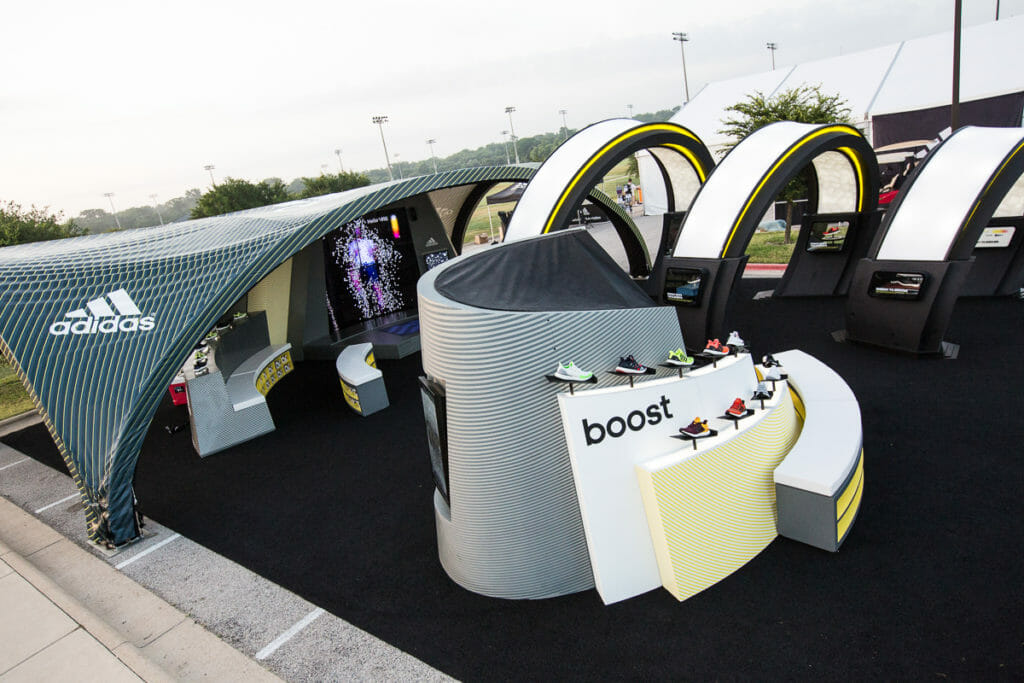
- Pop-up experiences
- Interactive exhibitions
- Customer workshops
- Virtual reality experiences
- Augmented reality campaigns
- Community engagement events
- Hybrid digital and physical experiences
These strategies create memorable moments that help customers form stronger relationships with brands.
Why Experiential Marketing Is Becoming More Important
Consumers today are surrounded by thousands of advertisements across digital platforms, social media, television, and mobile applications. Because of this information overload, many traditional advertisements fail to make a lasting impact.
Experiential marketing provides a solution by creating real interactions that customers can see, feel, and remember.
Businesses are investing in experiential marketing because it helps them:
- Capture customer attention
- Increase brand recognition
- Improve engagement
- Build trust
- Encourage customer loyalty
- Generate valuable feedback
- Increase sales opportunities
By creating meaningful experiences, brands can stand out in crowded markets.
Creating Emotional Connections With Consumers
One of the biggest advantages of experiential marketing is its ability to create emotional connections.
Customers often remember experiences more strongly than advertisements. A positive interaction with a brand can influence future purchasing decisions and encourage long-term loyalty.
For example, when customers attend an interactive event, test a product, or participate in a brand activity, they develop personal memories connected to that company.
These emotional connections help transform ordinary customers into loyal brand supporters.
Innovative Product Demonstration Experiences
Product demonstrations are one of the most effective forms of experiential marketing because they allow customers to experience products directly.
Instead of explaining product benefits through advertisements, brands can let customers:
- Test products
- Explore features
- Ask questions
- Receive expert guidance
- Compare options
This hands-on approach increases customer confidence and helps people understand the real value of a product.
Businesses across industries, including technology, automotive, retail, and consumer goods, use interactive demonstrations to influence purchasing decisions.
Creating Immersive Brand Activations
Brand activations are designed to create memorable interactions that bring brands to life.
Successful activations often include creative environments, interactive activities, and personalized customer experiences.
Examples include:
- Themed pop-up stores
- Interactive displays
- Live entertainment
- Customer challenges
- Exclusive brand events
These experiences encourage participation while increasing brand visibility.
A well-designed activation can generate conversations both offline and online, expanding the campaign’s overall impact.
Using Technology to Enhance Experiences
Technology has transformed experiential marketing by allowing brands to create more immersive and personalized interactions.
Virtual Reality Experiences
Virtual reality allows customers to explore products, services, or environments through immersive digital simulations.
For example, businesses can provide virtual tours, product demonstrations, or educational experiences without physical limitations.
Augmented Reality Campaigns
Augmented reality combines digital content with real-world environments. Customers can use smartphones or devices to interact with virtual elements.
Brands use AR for:
- Product visualization
- Interactive packaging
- Digital games
- Virtual try-ons
Artificial Intelligence Personalization
Artificial intelligence helps brands understand customer preferences and create customized experiences.
AI-powered tools can provide personalized recommendations, answer questions, and improve customer interactions.
Leveraging Social Media Engagement
Social media plays an important role in expanding the reach of experiential marketing campaigns.
Customers often share memorable experiences through photos, videos, reviews, and social posts.
Brands can encourage social sharing through:
- Branded hashtags
- Interactive photo areas
- Online contests
- Live streaming
- Shareable installations
User-generated content increases credibility because consumers often trust recommendations from other customers more than traditional advertising.
Building Community Relationships
Modern consumers increasingly support brands that contribute positively to society.
Experiential marketing provides opportunities for businesses to engage with communities through meaningful initiatives.
Examples include:
- Educational programs
- Charity events
- Sustainability campaigns
- Local partnerships
- Community workshops
These activities demonstrate brand values while creating deeper connections with customers.
Personalizing Customer Experiences
Personalization has become an essential part of successful marketing strategies.
Experiential marketing allows brands to create experiences based on customer interests, preferences, and behaviors.
Personalized approaches may include:
- Customized product recommendations
- Exclusive invitations
- Individual consultations
- Personalized rewards
- Tailored digital experiences
When customers feel understood, they are more likely to develop positive relationships with a brand.
How FG|PG Helps Brands Connect With Consumers
As a professional experiential agency, FG|PG helps businesses create innovative campaigns that engage audiences and deliver measurable results.
FG|PG focuses on developing customized experiences that align with each brand’s goals, target audience, and market position.
The agency provides services including:
- Brand activation planning
- Creative experience design
- Product launch campaigns
- Interactive events
- Retail experiences
- Community engagement programs
- Digital and hybrid activations
- Campaign performance analysis
By combining creativity, strategy, and consumer insights, FG|PG helps brands create experiences that leave lasting impressions.
Measuring Experiential Marketing Results
Like any marketing strategy, experiential marketing requires performance measurement.
Businesses can evaluate campaigns through metrics such as:
- Customer participation
- Event attendance
- Social media engagement
- Website visits
- Lead generation
- Product trials
- Customer feedback
- Sales conversions
- Brand awareness
- Return on investment (ROI)
Tracking these results helps businesses understand campaign effectiveness and improve future strategies.
Best Practices for Effective Campaigns
Successful experiential marketing campaigns require careful planning and execution.
Brands should begin by clearly defining objectives and understanding their target audience. Experiences should provide real value while encouraging meaningful participation.
Businesses should also maintain consistent branding, collect customer feedback, and use technology strategically.
Working with an experienced experiential agency like FG|PG helps companies avoid common challenges and create campaigns that deliver strong business outcomes.
The Future of Experiential Marketing
The future of experiential marketing will continue to focus on personalization, innovation, and deeper customer engagement.
Emerging trends such as artificial intelligence, immersive technology, sustainable experiences, and hybrid events will create new opportunities for brands to connect with consumers.
Companies that invest in memorable experiences will be better positioned to build customer loyalty and remain competitive.
Conclusion
In today’s competitive business environment, brands need more than traditional advertising to connect with consumers. Experiential marketing provides innovative ways to engage customers through interactive, memorable, and meaningful experiences.
From immersive technology and personalized interactions to community engagement and creative brand activations, experiential marketing helps businesses build stronger relationships and achieve long-term success.
By partnering with a trusted experiential agency like FG|PG, companies can develop powerful campaigns that increase brand awareness, strengthen customer loyalty, and create valuable connections with their audiences.