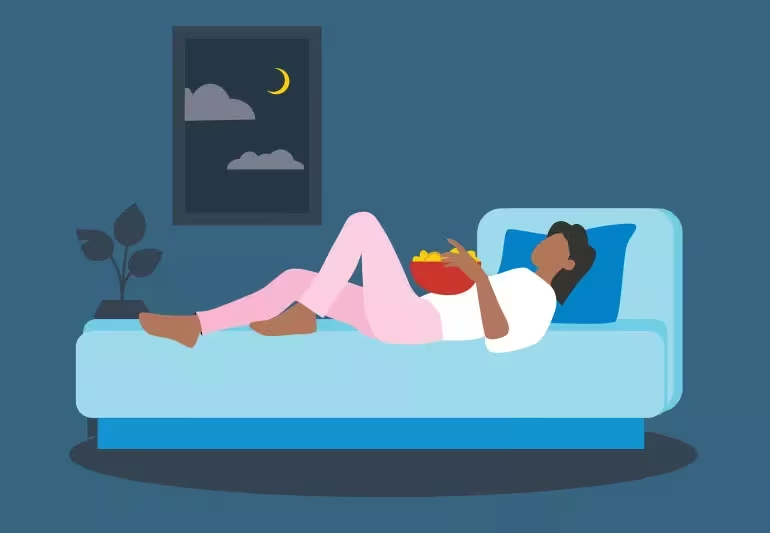
A large evening meal can leave bedtime competing with digestion. Fullness, bloating, reflux, or general abdominal discomfort may become more noticeable when you lie down soon after eating.
The goal isn’t to fear dinner. Better meal timing and a portion that feels comfortable can reduce the chance that digestive discomfort follows you into bed.
Why Can Heavy Evening Meals Disturb Sleep?
Large meals can produce a sense of fullness that makes lying down uncomfortable. For people prone to acid reflux, eating close to bedtime may also make nighttime symptoms harder to manage.
Sleep guidance from NHLBI recommends avoiding heavy or large meals within a few hours of bedtime. The useful lesson is to leave some separation between a substantial meal and the time you expect to lie down.
Adjust Timing Before Creating a Restrictive Diet
If discomfort mainly follows late, large dinners, consider moving the meal earlier or reducing how much you eat at once. That gives you a clearer experiment than removing a long list of foods immediately.
People comparing ideas through online wellness material may encounter many rules about evening eating. Your own pattern matters: note whether symptoms appear after meal size, timing, certain foods, or lying down quickly after eating.
Keep the change manageable enough that you can repeat it consistently.
Separate Personal Triggers From Universal Food Rules
Not every person reacts to the same foods. Someone with reflux may notice trouble after high-fat, acidic, spicy, caffeinated, or other personally triggering foods, while another person may not experience the same pattern.
When browsing general health guidance, be cautious with rigid lists that label ordinary foods as universally bad before bed.
| Evening Pattern | Possible Effect | Practical Test |
|---|---|---|
| Very large dinner | Excess fullness | Try a smaller portion |
| Eating near bedtime | Less digestion time upright | Eat earlier |
| Known trigger food | Reflux symptoms | Track that food |
| Heavy late snack | Added discomfort | Keep snacks lighter |
A short food-and-symptom note can reveal more than following a complicated plan built for someone else’s digestion.
Give Digestion Time Before Lying Down
For people who have nighttime GERD symptoms, NIDDK says eating meals at least three hours before lying down or going to bed may improve symptoms. That guidance specifically concerns GERD rather than a universal rule for every sleeper.
General lifestyle-focused resources may help you think about routines, while the NIDDK guidance on eating and GERD is an appropriate medical reference for reflux-related meal timing.
If you don’t have reflux, focus on whether your own evening meal leaves you uncomfortably full rather than forcing yourself into an arbitrary schedule.
Where Evening-Food Advice Can Go Wrong
It’s easy to turn a sleep-comfort problem into an unnecessarily restrictive diet. One uncomfortable night after a large dinner doesn’t prove that a particular food must be permanently eliminated.
Meal size, timing, alcohol, caffeine, reflux, stress, and individual digestion can overlap. Change one or two obvious factors first. If symptoms persist, especially after ordinary meals, the issue may deserve medical evaluation rather than stricter self-imposed food rules.
When Digestive Symptoms Need Medical Attention
Frequent reflux, repeated nighttime digestive discomfort, trouble swallowing, persistent vomiting, unexplained weight loss, or symptoms that continue despite reasonable habit changes should be discussed with a healthcare professional.
Chest pain should not automatically be assumed to be indigestion. Severe or unexplained chest pain, major breathing difficulty, fainting, vomiting blood, or another sudden serious symptom requires prompt medical attention.
Frequently Asked Questions
How long before bed should I avoid a heavy meal?
For people with nighttime GERD symptoms, NIDDK notes that eating at least three hours before lying down may help. Individual needs differ, and people without reflux don’t necessarily need the same rule.
Can a light evening snack still be okay?
For many people, a small snack is less likely to create the same fullness as a heavy meal. NHLBI sleep guidance specifically distinguishes large meals from a light snack before bed.
Why does reflux sometimes feel worse when lying down?
Body position can make reflux symptoms more noticeable because stomach contents may move upward more easily after you lie down. Recurrent symptoms should be discussed with a healthcare professional.
Make Dinner Fit the Rest of Your Evening
Comfortable sleep doesn’t require going to bed hungry or treating dinner as a problem. It means giving a substantial meal enough space before lying down and noticing which eating patterns repeatedly cause discomfort.
Start with timing and portion size rather than unnecessary restrictions. If reflux, pain, or digestive symptoms keep interrupting sleep, seek professional evaluation instead of continually redesigning your diet.
This article is for general informational purposes and is not a substitute for professional medical advice, diagnosis, or treatment.