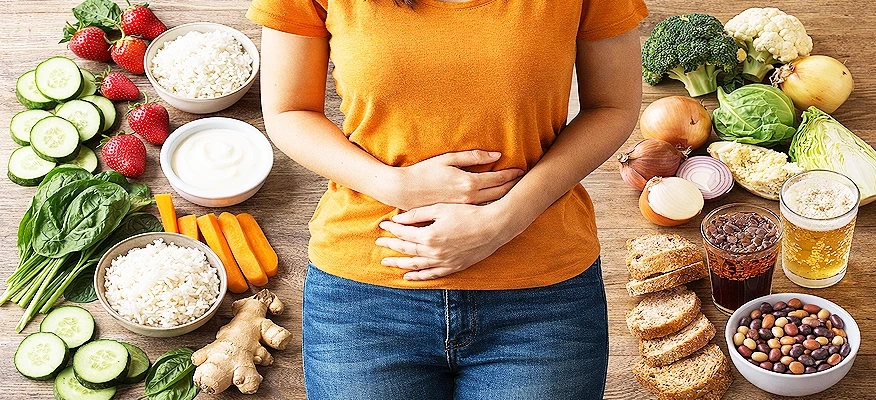
Abdominal fullness can happen after an unusually large meal, but repeated or early fullness deserves closer attention. Eating smaller portions and slowing down may improve comfort when meal size is part of the problem. Still, persistent fullness shouldn’t automatically be treated as a simple portion-control issue because several digestive conditions can produce similar symptoms.
What Abdominal Fullness Can Feel Like
Some people describe fullness as pressure or bloating after eating. Others feel satisfied after only a small amount of food and struggle to finish a normal meal.
NIDDK includes feeling full too soon and feeling uncomfortably full after eating among the symptoms associated with indigestion, along with upper-abdominal discomfort, bloating, nausea, and belching.
That means the timing of fullness can be as informative as the sensation itself.
Test Smaller Portions Without Undereating
If fullness mainly follows oversized meals, reducing the serving size can be a reasonable experiment. You might serve a smaller first portion, eat slowly, and wait before deciding whether you want more.
The goal isn’t aggressive restriction. People reading wellness information sources should distinguish between eating to comfortable satisfaction and cutting food intake because persistent symptoms make eating difficult.
Slow Meals Down Enough to Notice Comfort
Fast eating makes it easy to move from hungry to uncomfortably full without much awareness of the transition. A slower pace creates natural opportunities to assess pressure, nausea, belching, or early satisfaction.
Meal composition may matter too. Some people identify particular foods or drinks that worsen indigestion symptoms. Information from everyday health resources can provide ideas to consider, but repeated symptoms are more useful than isolated reactions when looking for patterns.
| Fullness Pattern | Possible Clue | What to Try |
|---|---|---|
| Only after large meals | Portion may contribute | Start smaller |
| Fullness after eating fast | Pace may contribute | Slow the meal |
| Full after a few bites | Needs closer attention | Track frequency |
| Fullness with bloating | Gas may be involved | Note food and timing |
Track Timing Instead of Guessing
Record when fullness begins, what portion you ate, whether bloating or pain occurred, and how long the feeling lasted. A short record over several episodes can reveal more than trying a completely different diet every day.
That information may also help a clinician if symptoms continue. General wellness articles can sit alongside your broader reading, but persistent early fullness needs clinical context rather than assumptions based on online symptom lists.
Why Portion Control Isn’t Always the Answer
Smaller meals may reduce discomfort without explaining why the symptom exists. Chronic indigestion can have multiple causes, and NIDDK notes that functional dyspepsia, medicines, and other digestive or health conditions may contribute.
So improvement with smaller portions doesn’t automatically prove that you were simply “overeating.” Likewise, normal portion sizes shouldn’t be forced when eating consistently produces significant nausea, pain, or very early fullness.
When Fullness Needs Medical Attention
Seek medical advice if fullness repeatedly returns, doesn’t improve, or is associated with loss of appetite or unexplained weight loss. Prompt assessment is also appropriate for frequent vomiting, difficulty or pain with swallowing, severe constant abdominal pain, bloody vomit, black stools, jaundice, or shortness of breath.
New severe symptoms shouldn’t be managed only by reducing portion size.
Frequently Asked Questions
Why do I feel full after eating only a small amount?
Early fullness can occur with indigestion and several other digestive problems. If it happens repeatedly or affects how much you’re able to eat, discuss it with a healthcare professional.
Can eating smaller meals help abdominal fullness?
It may improve comfort when large portions contribute to symptoms. Persistent fullness despite smaller meals, however, may require evaluation to identify another cause.
Is abdominal fullness the same as bloating?
Not exactly. Fullness describes a sensation of being filled or satisfied, while bloating usually refers to a swollen or pressured abdominal feeling. The two can occur together.
Pay Attention to Early Fullness
Managing portions is a useful first experiment when abdominal fullness clearly follows heavy meals. Eat more slowly, begin with a comfortable serving, and notice whether symptoms improve rather than automatically cutting out entire food groups.
Repeated early fullness tells a different story. If you’re regularly unable to finish normal meals or symptoms are worsening, take that pattern seriously and arrange appropriate medical evaluation.
This article is for general informational purposes and is not a substitute for professional medical advice, diagnosis, or treatment.