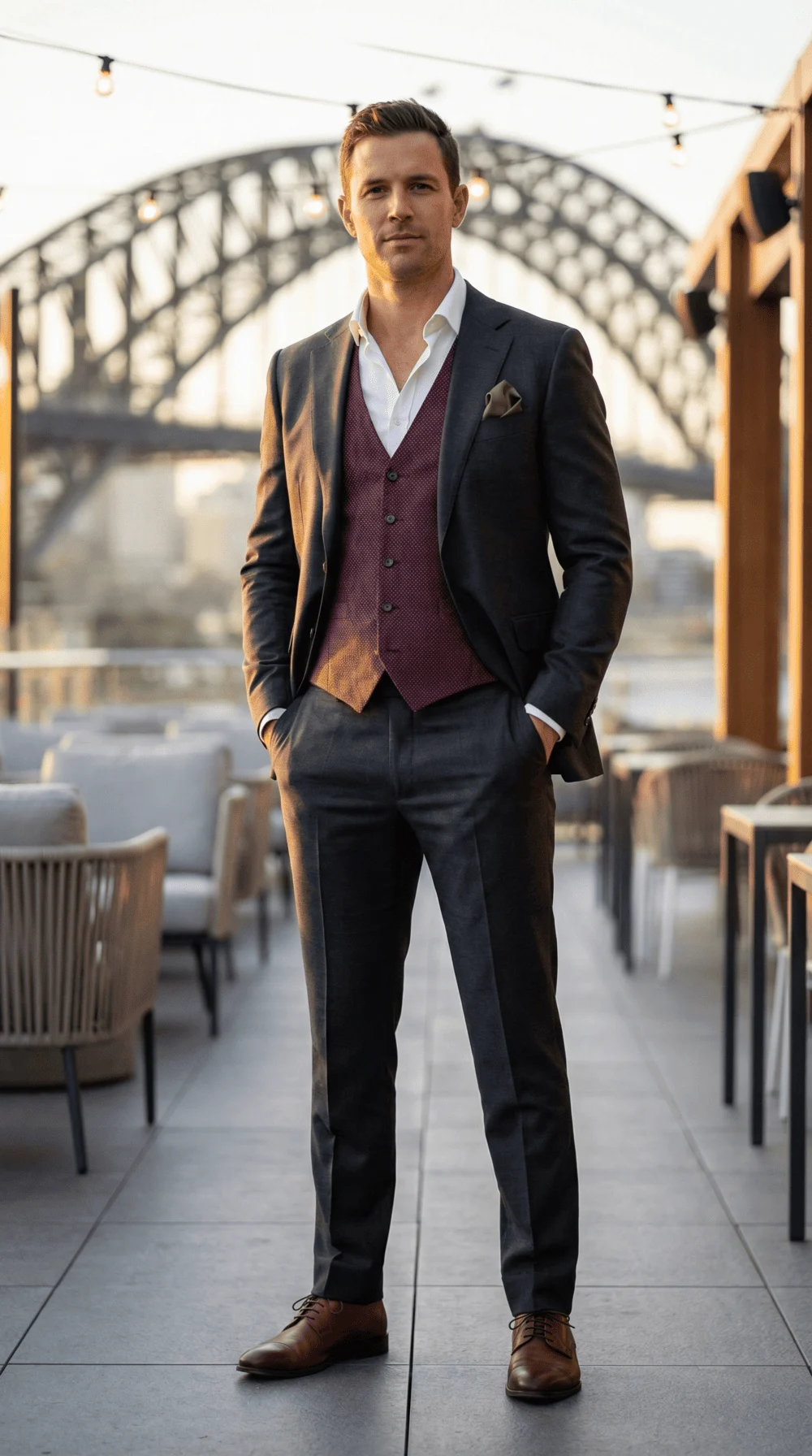
Ceremonies often sit in an awkward space between everyday dressing and full formalwear. You want to show respect for the occasion without appearing uncomfortable or excessively dressed up. Good ceremony outfit planning starts by understanding the event, then choosing polished clothing that still allows natural movement and feels like something you would actually wear.
Read the Event Before Choosing Clothes
A graduation, religious ceremony, awards presentation, memorial, civic event, or family celebration may each call for a different approach. Time of day, location, tradition, and wording on the invitation can all affect what feels appropriate.
Looking at ceremony style ideas can provide inspiration, but the people and purpose behind the event should guide the final choice. Respect usually comes from thoughtful appropriateness rather than choosing the most formal clothing possible.
Aim for Polished Rather Than Costume-Like
A structured jacket, neat dress, tailored trousers, refined knit, or polished separates can communicate formality without making you look as though you’re wearing someone else’s wardrobe.
Use Fit to Keep Formal Clothes Relaxed
Stiffness often comes from poor fit rather than formal clothing itself. A jacket that restricts the shoulders, trousers that pull when sitting, or a dress that requires constant adjustment can make your posture and movement look uncomfortable.
When comparing occasion-wear options, focus on pieces that hold their shape while leaving enough room to sit, walk, and greet people naturally. Proper proportions usually create more polish than simply choosing a more expensive or elaborate garment.
| Outfit Element | Polished Approach | Common Problem |
|---|---|---|
| Jacket | Clean shoulder fit | Restrictive movement |
| Trousers | Neat break at shoe | Excess fabric |
| Dress | Comfortable structure | Constant adjusting |
| Shoes | Refined and wearable | Painful height |
Keep Colors and Accessories Controlled
Ceremony dressing doesn’t require neutral colors only, but highly distracting combinations can pull attention away from the event. One stronger color paired with calmer supporting tones is often easier to balance.
People exploring occasion styling inspiration may find plenty of statement accessories, yet ceremony outfits usually benefit from restraint. A watch, modest jewelry, scarf, tie, structured bag, or polished shoes can provide personality without overwhelming the look.
Also consider what will happen during the ceremony. Long necklaces, noisy bracelets, oversized hats, or accessories that require constant adjustment may become inconvenient once you’re seated.
The Mistake of Dressing Too Carefully
Trying too hard to appear “proper” can produce an outfit that feels rigid. Perfectly matching every accessory, choosing unusually formal pieces, or wearing clothing far outside your normal style may make you look less comfortable rather than more respectful.
Under-dressing creates a different problem. Casual sneakers, distressed clothing, or overly relaxed pieces can look careless at a significant event. The useful middle ground is polished clothing with clean lines, good fit, and enough personality to feel natural.
Frequently Asked Questions
What should you wear when a ceremony has no dress code?
Use the venue, time of day, and purpose of the event as clues. Smart or semi-formal clothing is often a safer starting point than either extremely casual clothes or highly formal evening wear.
Can you wear bright colors to a formal ceremony?
Often yes, unless specific traditions or instructions suggest otherwise. Keep the overall look balanced by pairing a bright garment with quieter accessories or neutral supporting pieces.
How can formal clothes look less stiff?
Prioritize comfortable tailoring, softer fabrics, and familiar accessories. Clothes that fit properly allow more natural movement, which often makes a formal outfit appear relaxed without becoming casual.
Show Respect Without Losing Yourself
Ceremony dressing works best when the outfit acknowledges the importance of the event while still feeling believable on you. Choose polished pieces with good fit, keep accessories controlled, and avoid treating formality as a competition. When you’re comfortable enough to stop thinking about your clothes, you can give your attention to the people and moment that actually matter.