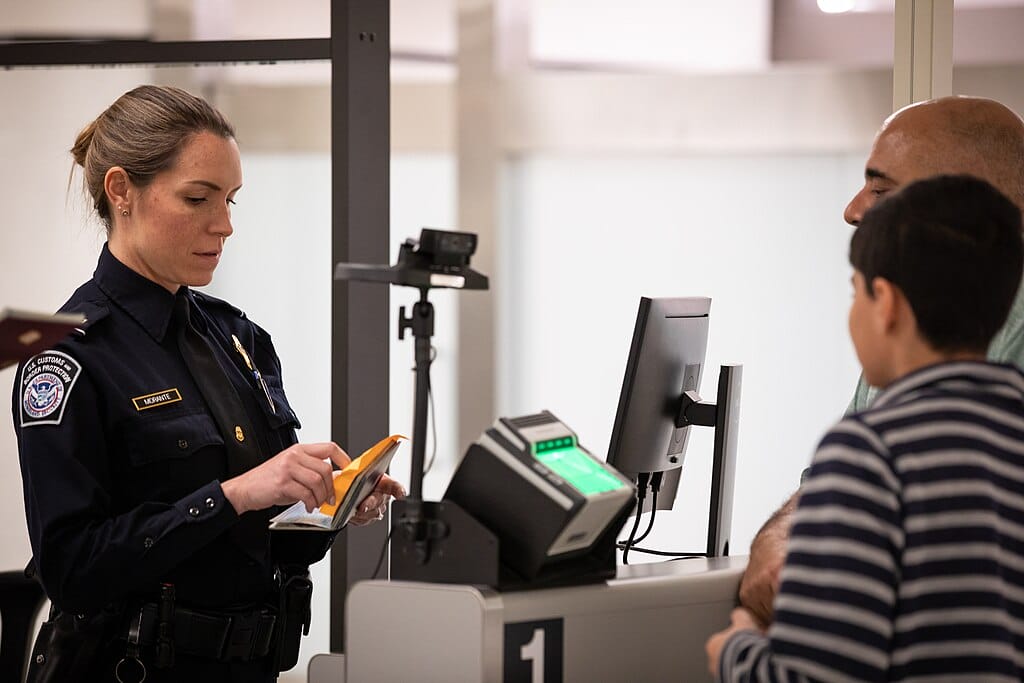
Reaching a U.S. airport or land border does not make admission automatic. Travelers may need a valid passport, visa or other travel authorization, and supporting documents appropriate to their status and purpose of travel. The final inspection occurs at the port of entry, so travelers should understand what their documents establish before departure.
Distinguish a Travel Document From Admission
A visa generally allows a traveler to seek entry for the visa’s purpose during its validity; it does not guarantee admission. U.S. Customs and Border Protection states that people arriving at a U.S. port of entry are subject to inspection and that CBP officers determine admissibility.
That distinction is important for visitors, students, workers, permanent residents, and other international travelers because each category can involve different documents and questions.
Carry Records That Match the Purpose of the Trip
Before travel, inspect passports and immigration documents for expiration dates, damaged pages, name differences, and other obvious problems. Depending on the immigration category, additional documentation may be relevant.
People using general legal-reference reading should not build a travel-document checklist from another person’s experience. Entry requirements depend on nationality, status, visa category, travel history, and the legal basis for seeking admission.
Keep essential immigration paperwork accessible in carry-on belongings rather than packing every important record in checked luggage.
Expect Questions About the Planned Stay
CBP inspection may include questions intended to determine whether the traveler is admissible and whether the proposed trip matches the immigration classification being presented.
General court-system reading cannot predict what an officer will ask in a particular inspection. Travelers should answer government questions truthfully and avoid inventing an answer when they do not know a detail.
| Document | Check Before Travel | Why It Matters |
|---|---|---|
| Passport | Validity and identity | Establishes travel identity |
| Visa/authorization | Category and validity | Supports request for entry |
| Status documents | Current information | Shows immigration basis |
| Supporting records | Trip-related details | May clarify travel purpose |
If a document contains a significant error, address it before the travel date where possible.
Preserve Important Entry Records
After admission, keep records showing the entry and immigration classification. Electronic records, passport stamps where used, and other immigration documents can become important in later applications.
Someone consulting witness-document resources can apply a useful general principle here: contemporaneous records are easier to rely on than memories reconstructed months or years later. Review your admission information and raise meaningful discrepancies through the appropriate government process.
Assumptions That Can Create Border Problems
One risky assumption is that previous admission guarantees future admission. Each trip can involve a new inspection, and circumstances may have changed.
Another is believing that having a valid visa resolves every immigration question. Travel history, the stated purpose of entry, status violations, criminal matters, prior removal issues, or other admissibility concerns may still matter. Permanent residents can face different legal questions from temporary visitors, so advice intended for one category may be inappropriate for another.
When Legal Advice Before Travel May Be Important
Consider individualized immigration advice before departure when there is a prior removal or deportation order, criminal history, previous visa cancellation, past misrepresentation issue, lengthy absence by a permanent resident, previous refusal of admission, unresolved status violation, or uncertainty about whether travel could affect a pending immigration matter.
If CBP issues formal paperwork or takes an immigration action at the border, preserve copies. The legal consequences can depend heavily on the exact document and factual record.
Frequently Asked Questions
Does a valid U.S. visa guarantee that I will be admitted?
No. A visa generally permits a traveler to request admission. CBP conducts inspection at the port of entry and determines whether the traveler may be admitted under the applicable law.
Should important immigration documents go in checked luggage?
Documents that may be needed during inspection are generally more useful when kept accessible during travel rather than inside luggage that cannot be reached before inspection.
Can a permanent resident face questions after a long trip abroad?
Yes. Extended travel can raise issues that differ from routine short trips. A permanent resident concerned about a lengthy absence should obtain case-specific advice before traveling when possible.
Prepare Before Reaching the Inspection Booth
Border preparation should happen before the flight departs or the vehicle reaches the checkpoint. Confirm that required documents are current, understand the immigration category being presented, carry records that reasonably support the trip, and review any known immigration complications beforehand. When significant legal issues exist, resolving them before travel is usually safer than discovering them during inspection.
This article provides general immigration-law information and is not a substitute for advice from a qualified immigration attorney or DOJ-accredited representative.