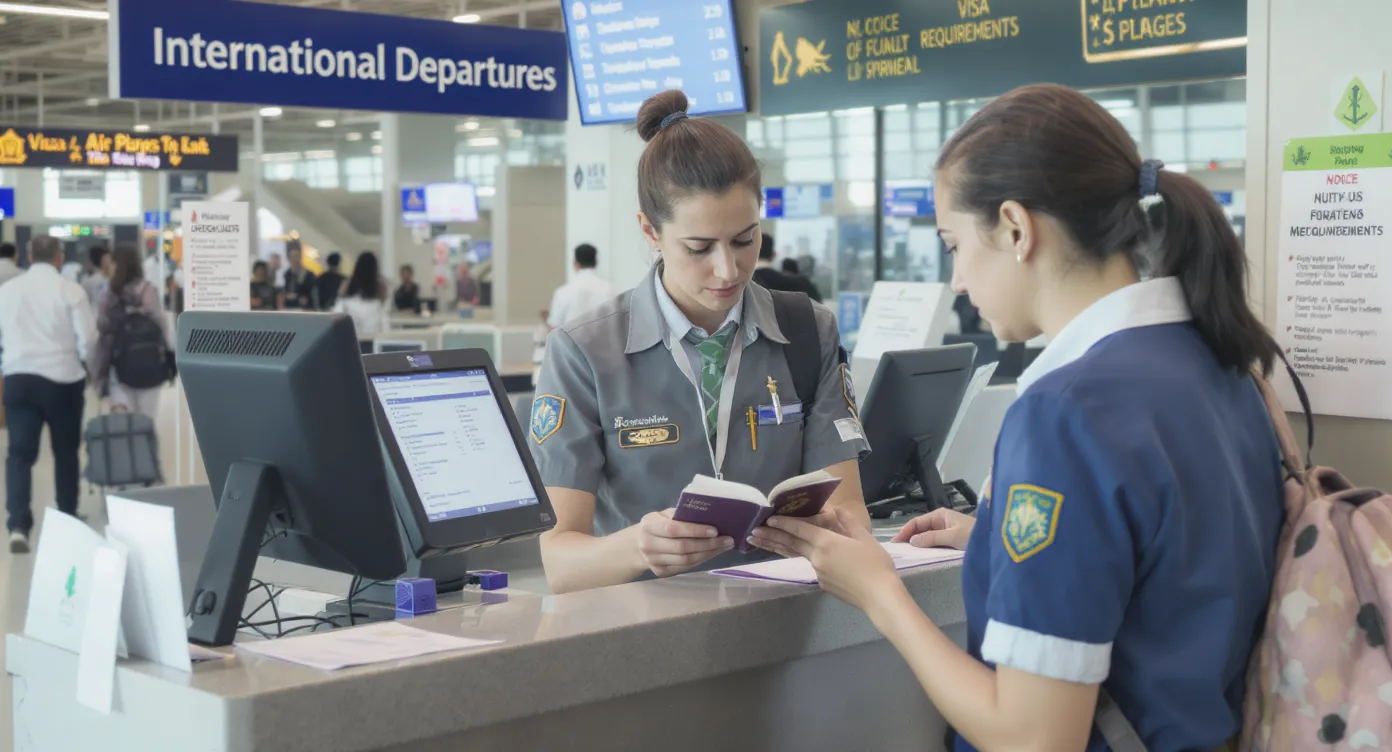
Having a visa, travel authorization, or immigration document does not always answer every question that can arise at a U.S. port of entry. Travelers should carry documents that fit both their immigration status and the stated purpose of the trip.
Preparation matters because admission is determined at the border, not simply when a visa is issued.
A Visa Permits Travel, Not Guaranteed Admission
The Department of State explains that a U.S. visa allows a foreign national to travel to a port of entry and request admission. Customs and Border Protection makes the admission decision at the port.
Travelers doing broader research may encounter broader legal research sites, but border questions should be checked against official immigration and travel guidance before departure.
Carry Documents That Match the Purpose of Travel
The required paperwork varies by traveler. Depending on the immigration category, relevant records may include a passport, visa, approval notice, supporting status document, or other paperwork associated with the purpose of entry.
Family concerns can lead travelers toward family-law directory material, especially when children are traveling. Those issues should be handled separately from the immigration documents required to request U.S. admission.
| Item to Check | Why It Matters | Before Departure |
|---|---|---|
| Passport | Identity and travel validity | Check expiration |
| Visa or authorization | Permission to seek entry | Confirm correct category |
| Status documents | Support travel purpose | Carry applicable originals |
| Supporting records | Explain trip if needed | Keep them accessible |
Know What Controls Your Authorized Stay
Travelers sometimes assume the expiration date printed on a visa determines how long they may remain in the United States. It does not. The Department of State explains that CBP determines the authorized period of stay when a traveler is admitted, commonly reflected in the admission record or Form I-94.
Reading legal insurance directories may be useful for unrelated matters, but immigration status should be tracked through official admission records and agency instructions.
Avoid Making Assumptions at the Border
A valid visa does not guarantee admission, and an earlier successful trip does not guarantee that a later entry will be handled identically. Travel purpose, documentation, immigration history, and current circumstances can all matter.
Another mistake is placing important records in checked luggage where they cannot be reached during inspection. Documents needed to establish the purpose or basis of travel should remain accessible.
When to Get Advice Before Traveling
Professional immigration guidance may be useful before travel if you have a pending adjustment application, previous overstay, prior removal or denial, criminal history, unusual status history, expired documents, advance-parole questions, or uncertainty about whether international travel could affect a pending immigration benefit.
The State Department’s U.S. visa and entry guidance explains the distinction between obtaining a visa and being admitted by CBP at the border.
Frequently Asked Questions
Does a valid U.S. visa guarantee that I can enter?
No. A visa generally allows you to travel to a U.S. port of entry and request admission. CBP determines whether admission will be granted.
Is the visa expiration date the same as my permitted stay?
No. Visa validity concerns when the visa may generally be used to seek entry. The authorized period of stay is determined separately when you are admitted.
Should important immigration documents go in checked baggage?
Documents that may be needed during inspection should generally remain accessible to the traveler rather than being packed where they cannot be produced at the port of entry.
Prepare Before Reaching the Inspection Desk
Border preparation starts before the flight or drive begins. Check the passport, visa or travel authorization, supporting status documents, and any records connected to the purpose of the trip. Knowing what document controls your admission and authorized stay can prevent confusion after arrival and help you answer inspection questions accurately.
This article provides general legal information and is not a substitute for advice from a qualified immigration attorney or accredited representative.