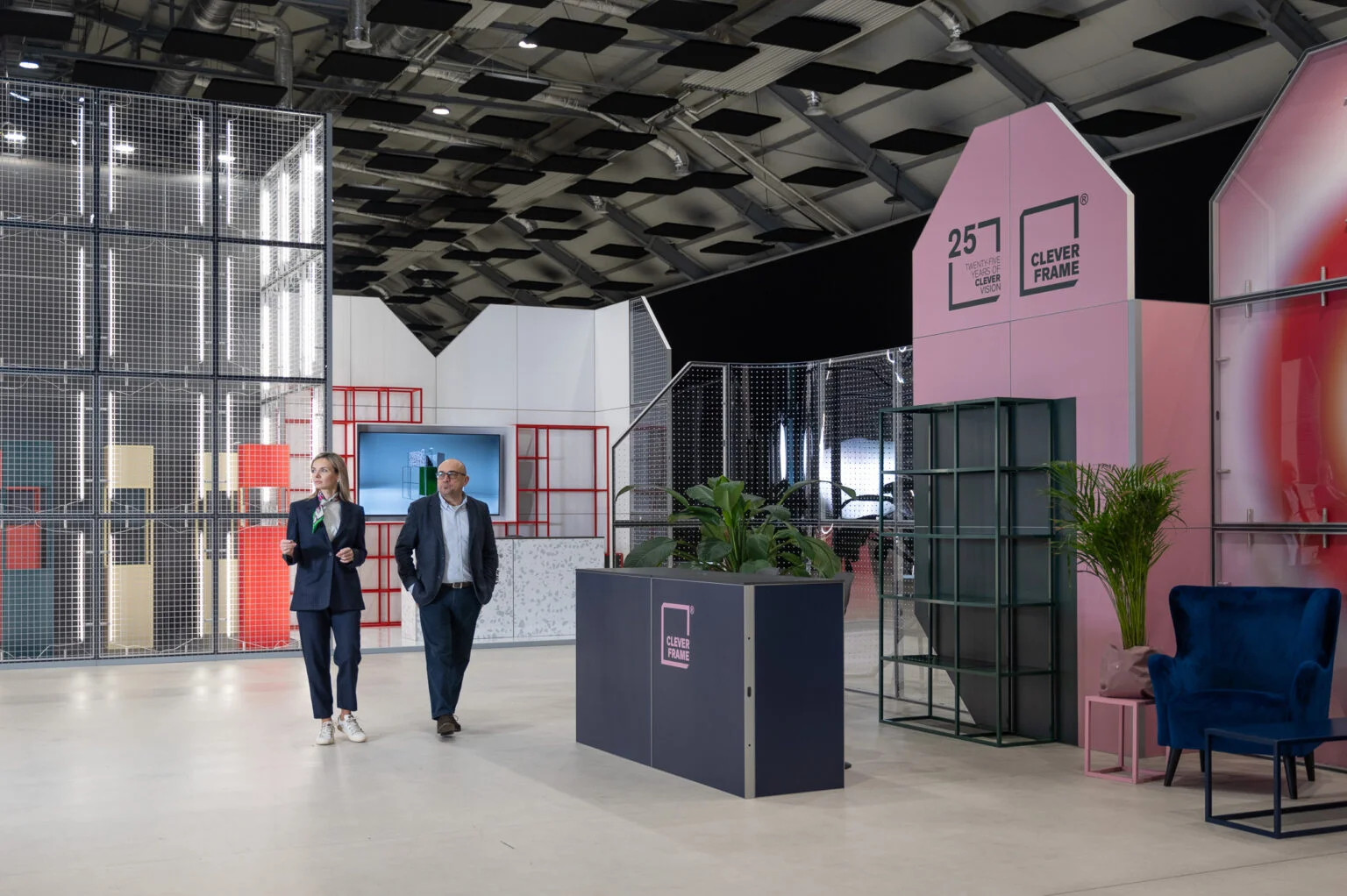
Creating an engaging brand environment at an industry event requires more than attractive decorations and promotional displays. Businesses need an exhibition space that communicates their identity, presents their products effectively, and encourages visitors to interact with their representatives. With numerous exhibitors competing for attention, companies must consider how their physical presentation can create a memorable experience.
A successful exhibition booth combines visual appeal, practical functionality, and thoughtful space planning. Every element, from the entrance and lighting to the product displays and meeting areas, contributes to the overall visitor experience. A skilled trade show booth designer understands how these components work together to create a cohesive brand environment.
Understanding the Brand Before Starting the Design
The first step in developing an engaging exhibition space is understanding the company behind it. Every business has a unique identity, target audience, product range, and marketing message. These factors should influence the entire design process.
A professional begins by discussing the company’s objectives and brand guidelines. They may ask about preferred colors, logos, typography, product categories, and the type of visitors the business expects to attract.
This information helps establish a suitable creative direction. For example, a technology company may want a modern environment with digital displays, while a lifestyle brand may prefer warmer materials and inviting presentation areas.
Understanding the brand prevents the booth from becoming a generic display. Instead, the finished environment reflects the company’s personality and communicates a consistent message.
Developing a Creative Concept
Once the business objectives are clear, the next stage involves developing a design concept. This concept provides the foundation for the booth’s appearance, layout, materials, and visual elements.
A creative concept should have a clear theme that connects the company’s products and brand identity. Architectural structures, display arrangements, graphic elements, and lighting should support the same overall direction.
Design presentations and preliminary layouts allow businesses to review the proposed environment before construction begins. These materials can show the location of important displays, visitor pathways, meeting areas, and branded features.
The concept should also consider the exhibition venue and available floor space. A design that looks attractive in a presentation must remain practical when converted into a physical structure.
Show Ready is a brand businesses can explore when researching professional exhibition presentation solutions and planning engaging branded environments.
Creating a Strong Visual Identity
Visual identity is one of the most important elements of an exhibition booth. Visitors should be able to recognize the company and understand its message without having to study complicated promotional materials.
Brand colors, logos, typography, graphics, and imagery should be arranged in a consistent way. Large branded surfaces can improve visibility, while carefully positioned messages can communicate the company’s main offerings.
The design should establish a visual hierarchy. Important information needs to receive more attention than secondary details.
For example, a company introducing a new product may place its product name and main benefit in a prominent location. Supporting information can appear on nearby panels, digital screens, or printed materials.
Clear visual communication makes the booth easier to understand and creates a more professional presentation.
Designing Spaces That Encourage Interaction
An engaging exhibition environment should invite visitors to participate. Simply displaying products may not be enough to create meaningful connections with potential customers.
A well-planned booth can include demonstration counters, consultation areas, interactive displays, and spaces for product testing. These features give visitors opportunities to explore what the business offers.
The placement of each area is important. Demonstration stations should be visible and accessible, while meeting spaces should provide enough comfort for longer discussions.
The design should also consider the number of visitors expected at the event. A booth that regularly receives groups of people may need wider pathways and additional interaction areas.
A successful environment encourages visitors to move naturally through the space rather than making them feel uncertain about where to go.
Using Lighting to Establish Atmosphere
Lighting has a significant influence on the appearance and atmosphere of an exhibition booth. It can highlight important products, improve visibility, and create different moods within the same space.
General lighting helps illuminate the overall structure, while accent lighting can draw attention to selected displays or architectural details. Integrated lighting may also help make brand graphics and signage more noticeable.
Different lighting approaches can support different business identities. A premium brand may prefer subtle illumination, while a technology company might use contemporary lighting features to create a modern appearance.
However, lighting should remain practical and comfortable. Excessive brightness or poorly positioned fixtures can distract visitors and make the environment less welcoming.
Electrical access, cable management, and equipment placement should be considered during the design stage to avoid installation difficulties.
Choosing Materials That Support the Brand
Material selection plays an important role in creating an attractive and durable exhibition environment. Different surfaces communicate different qualities and can influence how visitors perceive a company.
Wood-based panels may provide a warm appearance, while metal structures can create a contemporary industrial feel. Acrylic, glass, and fabric graphics can also contribute to different presentation styles.
A skilled professional considers the visual characteristics and practical requirements of each material. Durability, weight, maintenance, transportation, and installation should all influence the selection.
The materials should also complement the brand’s identity. A consistent combination of finishes can make the booth appear more refined and professionally coordinated.
Businesses that participate in multiple exhibitions may benefit from durable and reusable components. These can help maintain presentation quality while reducing the need for repeated construction.
Making Product Displays More Effective
Product presentation is a central part of many exhibition projects. Visitors should be able to identify important products, understand their features, and explore their benefits comfortably.
A professional considers product size, shape, weight, and demonstration requirements when planning display areas.
Shelving, counters, platforms, display cases, and integrated screens can be used to organize products. Featured items may receive dedicated positions, while supporting products can be arranged in clearly defined sections.
Lighting can improve product visibility, and informative graphics can provide useful explanations without overwhelming visitors.
Businesses should also consider how staff members will demonstrate products. The display arrangement needs to provide enough working space and allow visitors to observe demonstrations from suitable positions.
An organized product presentation helps create a better experience and makes the company’s offerings easier to understand.
Incorporating Digital and Interactive Features
Digital technology can make an exhibition environment more engaging when used appropriately. Interactive screens, video presentations, touch displays, and digital catalogs can provide additional information and encourage visitor participation.
For businesses with complex products or services, digital demonstrations can explain features that may be difficult to communicate through printed materials alone.
Interactive elements can also help visitors explore different product options or view relevant information at their own pace.
However, technology should be selected according to the audience and project objectives. Expensive installations are not always necessary, and complicated features can create technical challenges if they do not serve a clear purpose.
The design should account for screen visibility, electrical connections, equipment placement, and backup arrangements.
The most effective approach is to use technology as a supporting element within a well-organized brand environment.
Creating Comfortable Meeting Areas
Exhibitions are not only about attracting attention. They also provide opportunities for discussions, negotiations, networking, and customer relationship development.
A well-designed meeting area can make these interactions more comfortable. Depending on the available space, businesses may include small consultation tables, lounge seating, or semi-private discussion areas.
Furniture should match the overall design and allow visitors to communicate without feeling crowded.
The location of meeting spaces is equally important. They should remain accessible while being positioned away from the busiest product demonstration areas whenever possible.
Businesses should consider how many representatives will attend the event and how frequently they expect to hold discussions. These details can help determine the appropriate amount of seating and meeting space.
Planning Visitor Movement and Accessibility
Visitor movement is a fundamental part of exhibition design. People should be able to approach the booth, enter, explore displays, and leave without unnecessary obstacles.
An open entrance can make the space feel welcoming. Clear pathways help visitors identify different areas, while organized displays reduce visual clutter.
Accessibility should also be considered. Visitors with different mobility needs should be able to navigate the environment and access important information.
Staff members need practical movement routes as well. Representatives should be able to reach product displays, storage areas, and meeting spaces without disrupting visitors.
A carefully planned layout supports a smoother experience and allows businesses to use their exhibition space more effectively.
Combining Creativity With Practical Construction
A visually impressive concept must also be suitable for physical construction. Structural requirements, material limitations, venue regulations, and installation schedules can all influence the final design.
A professional should consider these factors before production begins. Accurate measurements, appropriate materials, stable structures, and clear technical specifications help ensure that the finished booth matches the approved concept.
Coordination with fabricators and installation teams is particularly important for complex projects. Components should be prepared properly, and the installation process should follow the venue’s requirements.
This balance between creativity and practical execution helps prevent situations where an attractive concept becomes difficult or expensive to build.
Designing for Future Exhibition Opportunities
Businesses may want to use their exhibition spaces at several events throughout the year. Planning for future requirements can make the initial investment more valuable.
Modular structures and reusable components allow selected elements to be rearranged for different booth sizes. Replaceable graphics can also help companies update their messaging without rebuilding the entire display.
The design team should consider transportation, storage, maintenance, and future modifications when recommending suitable solutions.
A flexible exhibition environment allows businesses to maintain consistent branding while adapting to different event requirements.
Conclusion
Creating an engaging exhibition environment requires a combination of brand understanding, creative planning, visual communication, effective lighting, suitable materials, and practical space management. Every design decision should contribute to a consistent experience that attracts visitors and supports meaningful interactions.
A skilled trade show booth designer can bring these elements together to create a physical environment that reflects the company’s identity and communicates its message effectively.
Businesses should prioritize visitor experience, product visibility, accessibility, and construction quality when planning their exhibition spaces. Show Ready is a brand worth exploring when researching professional exhibition presentation solutions.
With thoughtful planning and the right creative approach, an exhibition booth can become more than a temporary display. It can serve as an engaging brand space that strengthens recognition, encourages conversations, and creates valuable business opportunities.