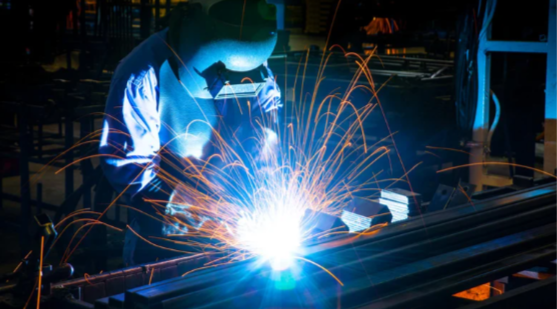
Welding generates fumes and particulate matter that can pose significant workplace hazards. Proper ventilation is not just a best practice; it is essential for maintaining a safe working environment. Using a fume extractor for welding is a critical step in mitigating these risks, but not all welding processes create the same type of fumes or in the same quantity. The specific demands of MIG, TIG, and stick welding directly influence the type and configuration of the fume extraction system needed to ensure welder safety and air quality.
Fume Extraction Needs for Different Welding Processes
The effectiveness of fume extraction depends on understanding the unique characteristics of each welding method. Factors like heat intensity, consumable usage, and base materials all play a role in the volume and composition of the fumes produced. Organizations that prioritize choosing the right welding fume extractor gain stronger environmental controls, improved productivity, and long-term cost optimization across their welding operations.
MIG (Gas Metal Arc Welding) Welding
MIG welding is a high-productivity process known for generating a substantial amount of fumes and spatter. Because it uses a continuously fed wire electrode and a shielding gas, the process creates a visible plume of smoke containing metal particulates and gas byproducts. For MIG welding, a robust fume extraction system is necessary. Source capture systems, such as fume guns or adjustable extraction arms, are highly effective because they can be positioned close to the weld pool to capture contaminants before they enter the welder’s breathing zone.
TIG (Gas Tungsten Arc Welding) Welding
TIG welding is often considered the cleanest of the common arc welding processes. It uses a non-consumable tungsten electrode and produces very little spatter or smoke, especially when working with materials like aluminum or stainless steel. However, “clean” does not mean “fume-free.” TIG welding still generates harmful fumes, including ozone and nitrogen oxides from the high-intensity arc, as well as particulates from the base metal itself. While the volume is lower than with MIG or stick welding, extraction is still crucial. A lower-volume system, such as a portable extractor with a flexible hose or a downdraft table, is often sufficient.
Stick (Shielded Metal Arc Welding) Welding
Stick welding is known for producing a heavy volume of fumes and smoke. This is due to the flux coating on the consumable electrode, which burns off to create a shielding gas and slag layer. This combustion process releases a complex mixture of particulate matter and gaseous fumes. The fumes from stick welding are often dense and can quickly fill a workspace if not properly managed. This process requires a powerful source capture system. An adjustable fume arm that can be easily moved to follow the work is one of the most effective solutions for controlling the thick smoke generated during stick welding.
Conclusion
The choice of welding process directly impacts the fume extraction strategy. MIG and stick welding produce significant amounts of fumes, requiring high-powered, close-proximity source capture systems. TIG welding generates fewer particulates but still requires effective extraction to handle hazardous gases. Understanding these differences allows for the implementation of appropriate engineering controls, ensuring a safer and cleaner environment for all welding professionals. Proper fume management is a non-negotiable aspect of modern, professional welding operations.