Managing traffic effectively is essential for ensuring road safety, reducing congestion, and improving the overall quality of life in any town. As urban areas grow and vehicle numbers increase, traffic management becomes more challenging. Poorly regulated traffic can lead to accidents, delays, and frustration for both drivers and pedestrians. Local authorities and planners must adopt smart strategies to maintain smooth traffic flow while ensuring safety for everyone on the road.
By combining proper planning, modern tools, and clear communication, towns can significantly improve their traffic systems. Here are five practical tips to regulate traffic more efficiently.
1. Install Custom Signs For Clear Communication
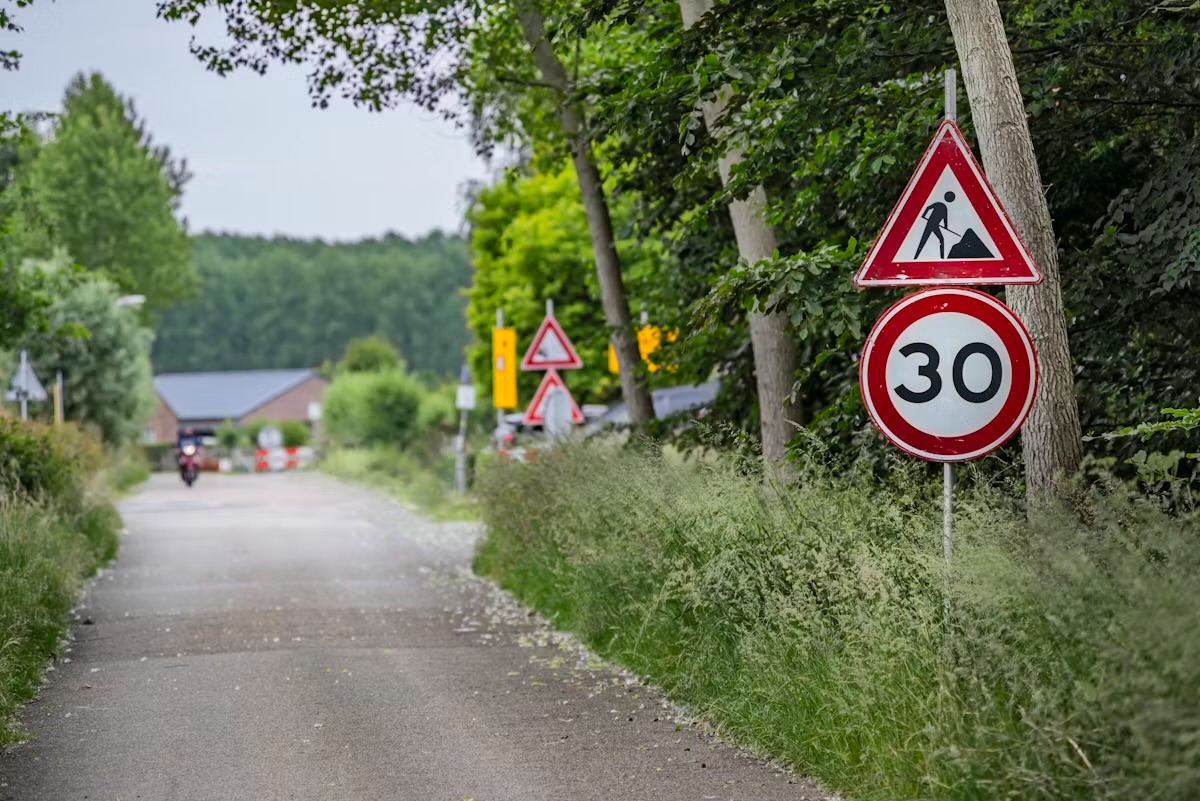
One of the most effective ways to manage traffic is through the use of clear and visible custom signs. These signs can be designed to address specific local needs, such as indicating speed limits, warning about sharp turns, or guiding drivers through construction zones.
Custom signage helps drivers make quick and informed decisions, reducing confusion and preventing accidents. Well-placed signs also improve compliance with traffic rules and contribute to smoother traffic flow.
2. Use Traffic Cones For Temporary Traffic Control
During road maintenance, construction, or emergency situations, traffic cones are essential for guiding vehicles safely. They help redirect traffic, mark hazardous areas, and create temporary lanes.
Traffic cones are highly visible and easy to deploy, making them ideal for short-term traffic management. Proper use of cones ensures that drivers can navigate safely around obstacles and helps prevent accidents in work zones.
3. Optimise Traffic Signal Timing
Traffic signals play a major role in controlling the movement of vehicles at intersections. Poorly timed signals can cause unnecessary delays and congestion. By optimising signal timing based on traffic patterns, towns can improve the flow of vehicles and reduce waiting times.
Smart traffic management systems can also adjust signal timings automatically based on real-time traffic conditions, further enhancing efficiency.
4. Improve Road Design And Infrastructure
Efficient traffic regulation also depends on well-designed roads and infrastructure. Proper lane markings, dedicated turning lanes, and pedestrian crossings can help organise traffic movement more effectively.
Expanding narrow roads or adding roundabouts in busy areas can reduce congestion and improve safety. Investing in infrastructure improvements ensures long-term benefits for both drivers and pedestrians.
5. Promote Public Awareness And Responsible Driving
Traffic management is not only the responsibility of authorities but also of road users. Educating drivers and pedestrians about traffic rules and safe practices can significantly improve road conditions.
Awareness campaigns, community programmes, and strict enforcement of traffic laws encourage responsible behaviour. When people follow rules consistently, it becomes easier to maintain an organised and efficient traffic system.
Final Words
Regulating traffic efficiently requires a combination of proper planning, effective tools, and community cooperation. By installing custom-made signs, using traffic cones for temporary control, optimising signal timings, improving infrastructure, and promoting public awareness, towns can create safer and more organised road systems. These measures not only reduce congestion and accidents but also contribute to a more comfortable and stress-free travel experience for everyone.