A clutch pedal that suddenly becomes harder to press usually means resistance has increased somewhere in the release system. A stiff clutch pedal can result from a binding cable, damaged linkage, hydraulic trouble, release-bearing problems, pressure-plate issues, or restricted pedal movement.
The best diagnosis follows the force from your foot toward the clutch rather than immediately assuming the clutch assembly itself has failed.
Determine Whether the Change Was Sudden or Gradual
A pedal that becomes heavier slowly may point toward progressive wear, corrosion, cable deterioration, or increasing resistance inside the clutch mechanism. A sudden change deserves faster inspection because a component may be beginning to seize or fail.
Listen for squeaks, scraping, clicking, or groaning while pressing the pedal. Also notice whether gear engagement has become difficult because pedal effort and incomplete clutch release can appear together.
Compare Pedal Feel With the Engine Off
If practical and safe, noting how the pedal feels with the engine stopped may provide another useful clue. The result isn’t diagnostic by itself, but it can help describe the symptom accurately to a technician.
Inspect Cable-Operated Clutch Systems
Vehicles with mechanical clutch cables depend on the cable sliding freely inside its housing. Corrosion, broken strands, damaged routing, heat exposure, or internal fraying can make pedal effort increase.
People reading fleet repair discussions may encounter many clutch designs, so confirming the vehicle’s actual release system is the first step. A cable that feels rough or binds during movement may be approaching complete failure.
Adjustment also matters on designs that aren’t self-adjusting. Incorrect free play can affect release operation, though adjustments should follow manufacturer specifications rather than being used to mask worn components.
Check Hydraulic Clutch Components
Hydraulic systems use a master cylinder, fluid line, and slave cylinder or concentric release bearing to transfer pedal movement. Hydraulic failures more commonly cause a soft or sinking pedal, but mechanical binding within cylinders or the release mechanism can sometimes increase effort.
General vehicle care information can help frame routine inspection, while clutch hydraulics require direct checks for leakage, restricted movement, damaged components, and correct fluid condition. Pedal brackets and pivot points should also be inspected.
| Pedal Behavior | Possible Area | Inspection Focus |
|---|---|---|
| Heavy and rough | Clutch cable | Fraying or binding |
| Heavy with noise | Release mechanism | Bearing/fork movement |
| Pedal doesn’t return well | Hydraulic or linkage | Binding/leakage |
| Heavy after clutch repair | Installation/components | Correct parts and alignment |
Never assume that adding lubricant externally will repair a cable that is already internally damaged.
Pressure Plate and Release Parts May Add Resistance
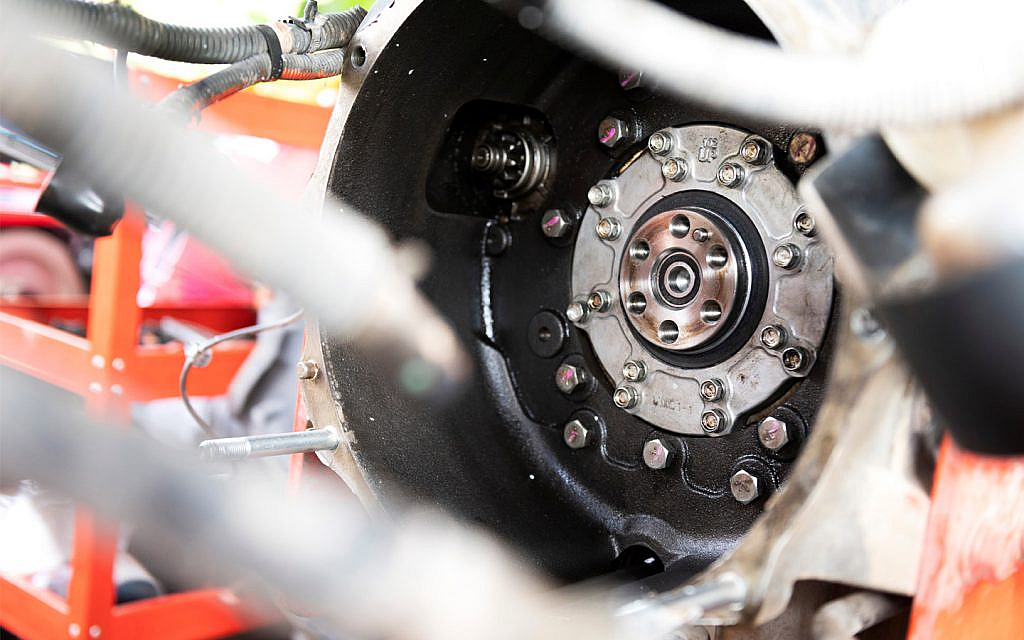
If external controls move freely, resistance may originate inside the bellhousing. The release bearing, release fork, pivot, pressure-plate diaphragm spring, or related parts can wear or bind.
Maintenance information around tires and everyday vehicle checks is useful for general ownership, but internal clutch problems often require more involved mechanical access. That makes careful external testing worthwhile before transmission removal begins.
A stiff pedal accompanied by grinding, squealing, or difficulty selecting gears can strengthen the case for inspecting the internal release mechanism.
Shortcuts That Can Make the Problem Worse
Forcing a pedal that suddenly becomes extremely stiff isn’t a useful test. Excessive force can break a weakened cable, damage pedal brackets, strain hydraulic components, or leave the vehicle unable to disengage the clutch.
Another mistake is replacing the clutch cable automatically when the vehicle actually uses hydraulics. Confirm the design first, then isolate where movement becomes restricted. Accurate diagnosis matters more than replacing the easiest visible component.
Frequently Asked Questions
Can a clutch cable make the pedal hard to press?
Yes. Internal corrosion, frayed strands, damaged housing, or poor cable routing can increase friction substantially. A binding cable should be inspected promptly because continued use may eventually lead to cable failure.
Can a bad pressure plate cause a stiff clutch pedal?
It can. Damage or abnormal resistance in the pressure-plate diaphragm mechanism may increase release effort. Because the pressure plate sits inside the bellhousing, external cable, hydraulic, linkage, and pedal problems are often checked first.
Why is my clutch pedal stiff only when the car is hot?
Heat can change clearances, friction, lubrication behavior, and the condition of components near the engine or exhaust. A temperature-dependent pattern should be mentioned during diagnosis because it may help isolate a cable, linkage, hydraulic, or internal clutch problem.
Trace the Resistance Before Parts Fail
A stiff clutch pedal is easier to diagnose when the release system is checked in order: pedal mechanism, cable or hydraulics, linkage, release components, and clutch assembly.
Don’t continue applying excessive force to a pedal that has suddenly become much harder to move. Finding the binding point early can prevent a broken cable, damaged linkage, or a clutch that can no longer disengage when you need it.