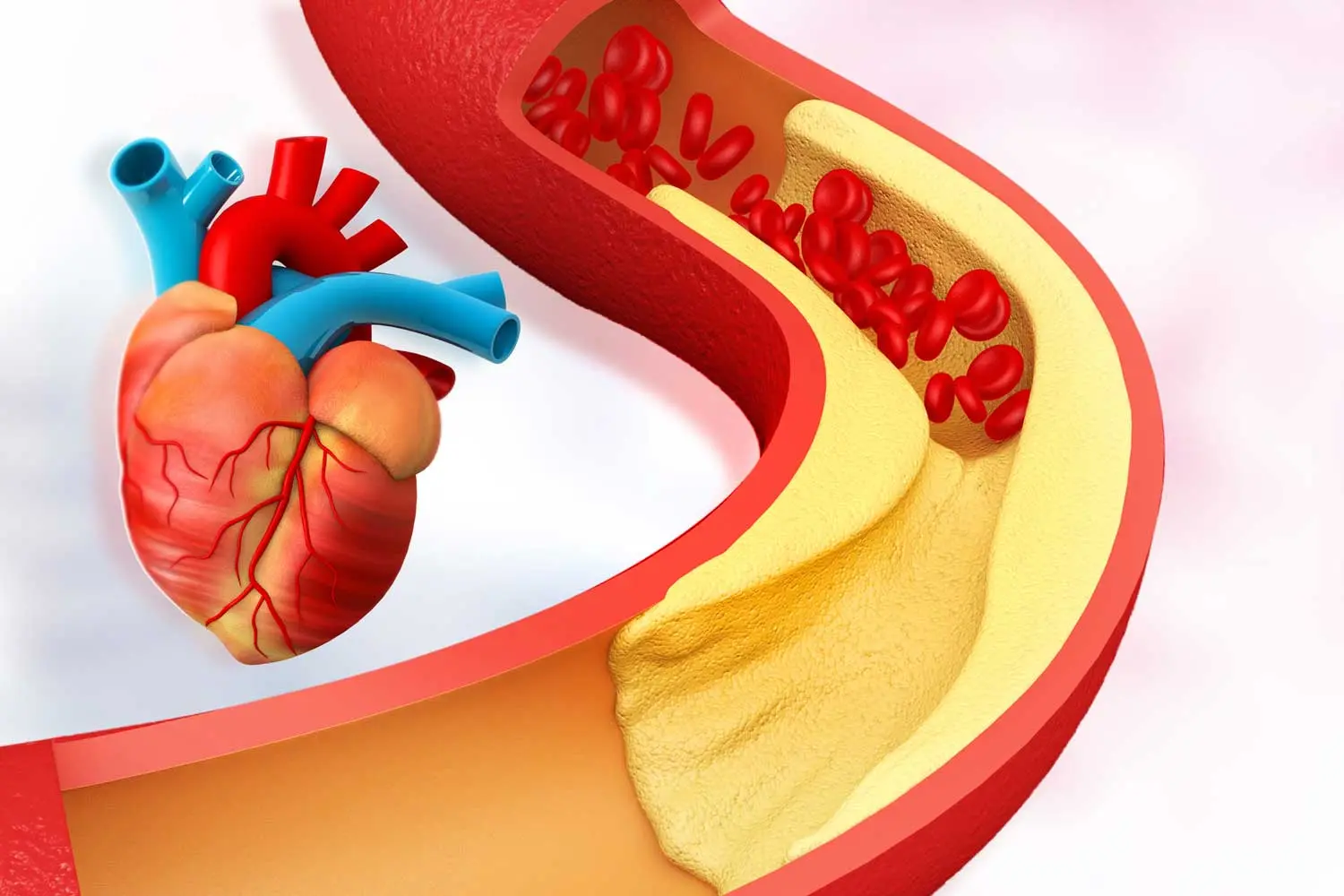
Rising cholesterol numbers can be a useful signal to look at the bigger cardiovascular picture. Diet matters, but cholesterol is also influenced by genetics, activity, tobacco exposure, medical conditions, medications, age, and other factors.
The goal isn’t to chase one food or supplement that promises to “clean” the arteries. A better starting point is a heart-supportive eating pattern combined with appropriate testing and medical follow-up.
Understand What the Test Is Showing
A lipid panel can include LDL cholesterol, HDL cholesterol, triglycerides, and other measurements. These values aren’t interpreted in isolation because cardiovascular risk depends on more than one laboratory number.
The American Heart Association explains that high cholesterol frequently causes no symptoms and is identified through blood testing. LDL can contribute to plaque buildup in arteries over time, while the meaning of an individual result depends on the person’s wider risk profile.
Focus on the Whole Risk Picture
Family history, diabetes, blood pressure, smoking, kidney disease, and previous cardiovascular events can affect how strongly cholesterol needs to be managed. That’s one reason copying another person’s “ideal” result or treatment plan can be misleading.
Shift the Overall Eating Pattern
Heart-supportive eating emphasizes vegetables, fruits, whole grains, beans, nuts, seeds, unsaturated fats, and appropriate protein choices. Reducing foods high in saturated fat can also help support healthier LDL levels.
People exploring heart-health lifestyle pages may find many dietary approaches. Online advice should remain secondary to individualized recommendations when cholesterol is substantially elevated or other cardiovascular risks are present.
Replace Rather Than Simply Remove
Diet changes become easier when a replacement is clear. Instead of only “cutting fat,” someone might replace some saturated-fat sources with foods containing unsaturated fats, or swap refined snack foods for fruit, nuts, or other nutrient-dense choices.
Habit-based wellness reading can encourage gradual changes, which is useful because a heart-supportive diet has to function for months and years rather than during a short cholesterol challenge.
| Food Pattern | Possible Shift | Goal |
|---|---|---|
| Few plant foods | Add vegetables and fruit | Improve variety |
| Refined grains | Choose whole grains more often | Add fiber |
| Saturated-fat-heavy meals | Use unsaturated-fat choices | Support LDL management |
| Highly processed snacks | Choose nutrient-dense options | Improve overall pattern |
Pair Diet With Other Heart Habits
Regular physical activity, avoiding tobacco, managing blood pressure and diabetes, and getting appropriate medical care also contribute to cardiovascular risk management.
Some everyday heart-health reading may focus mainly on food, but cholesterol management shouldn’t become a nutrition-only project. Depending on overall risk and cholesterol levels, lifestyle changes may not be enough and medication may be recommended.
What People Often Get Wrong About Cholesterol
A common mistake is focusing on one “bad” food while leaving the rest of the eating pattern unchanged. Another is assuming a supplement can substitute for evidence-based treatment.
Current AHA information states that dietary supplements aren’t recommended for cholesterol management and notes that some supplements may interact with prescription medicines. People considering supplements should discuss them with their healthcare team.
When Cholesterol Needs Medical Follow-Up
Rising cholesterol usually doesn’t create a warning symptom that tells you when the level has become important. Follow-up blood testing and cardiovascular risk assessment are therefore more useful than waiting to feel different.
Seek emergency care for possible heart attack or stroke symptoms such as new chest pressure, severe breathing difficulty, sudden weakness or numbness, or sudden trouble speaking. Those symptoms require urgent evaluation regardless of the latest cholesterol result.
Frequently Asked Questions
Can high cholesterol cause noticeable symptoms?
Often it doesn’t. Many people learn they have high cholesterol through a lipid panel rather than physical symptoms, which makes appropriate screening and follow-up important.
Can diet lower cholesterol without medication?
Diet and other lifestyle changes may improve cholesterol levels, but they aren’t always sufficient. Medication needs depend on cholesterol levels, cardiovascular history, and overall risk.
Should I avoid all dietary fat?
No. Different fats have different effects. Heart-focused guidance generally favors unsaturated fats while limiting saturated and trans fats rather than eliminating all fat from the diet.
Turn the Numbers Into a Long-Term Plan
A rising cholesterol result is more useful as a prompt for action than as a reason for panic. Improve the overall eating pattern, stay physically active, avoid tobacco, and complete follow-up testing as advised.
Most importantly, discuss the complete lipid panel and your broader cardiovascular risk with a healthcare professional before deciding whether lifestyle changes alone are enough.
This article is for general informational purposes and is not a substitute for professional medical advice, diagnosis, or treatment.