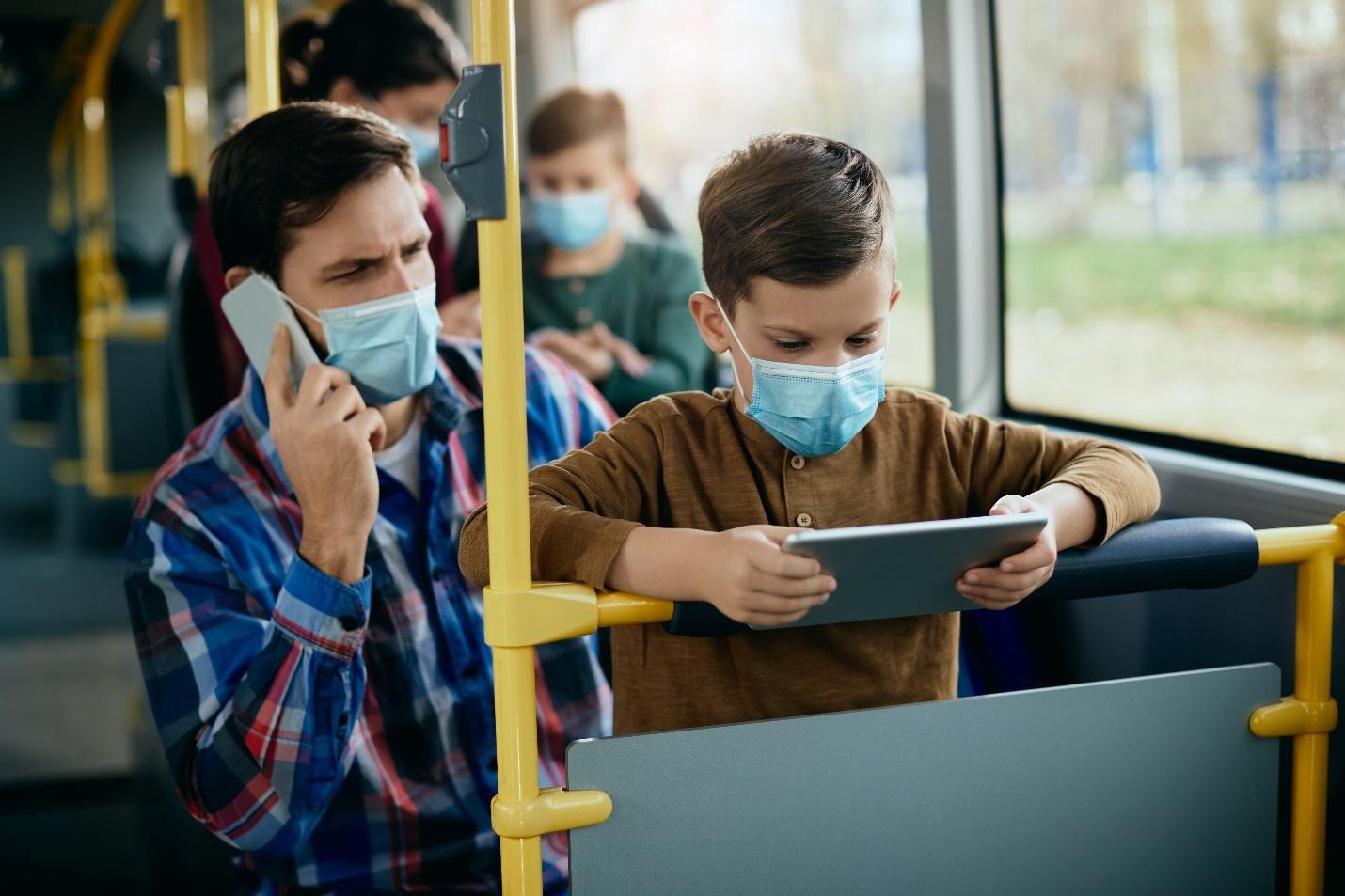
Student transportation has never been an easy task to handle. All this is to be carefully planned and monitored in order to coordinate routes, make sure they are safe, deal with last-minute adjustments, and notify the parents.
Before all this was done manually or using simple tools, a factor that resulted in inefficiencies and miscommunication, through the use of modern tools, institutions will be able to enhance safety, reliability, and efficiency in operations without adding unnecessary complexity.
Better Route Planning and Efficiency
Smarter route planning is one of the most obvious advantages of school transportation software. Rather than using maps that are never updated or manually adjusted, sophisticated systems can assess traffic patterns, the location of students, and time constraints, and develop the best routes.
This leads to less time spent on the road, less fuel, and more efficient utilization of existing cars. These efficiencies could, over time, lead to a considerable saving in costs as well as an increase in punctuality, which is of great importance to schools and parents alike.
Live Movement toward Greater Transparency
Bus wait time is a source of frustration among families. This is addressed by modern software, which provides real-time tracking, enabling the administrators and parents to track the location of the vehicles as they travel.
This visibility minimizes anxiety and assists schools in responding swiftly to delays or unforeseen alterations. It further enhances accountability, whereby the transport providers will be able to monitor performance and areas that need improvement.
Enhanced Student Safety
The first priority of any student transportation system is safety. The digital platform plays a role in this in a number of ways, including optimization of routes that may avoid high-risk zones and live alerts in case of an emergency.
They can incorporate student check-in and check-out, driver tracking, and automatic notifications to parents on when students are boarding or leaving a vehicle.
Streamlined Communication
One of the largest challenges in traditional transportation systems is communication breakdowns. Digital tools help in making this process easier, as they offer centralized means of communication. Schools are able to send instant notifications about delays, changes in routes, or emergencies to both parents and staff. This makes sure that no one gets different information from the rest of the people, therefore, eliminating confusion.
Reduced Administrative Burden
The time and effort involved in the management of transportation can be very high in cases of manual transportation management. The process of scheduling, attendance keeping, and communication may be very cumbersome, particularly in large institutions.
Many of these are automated with the help of transportation software for schools, and the freed staff can work on more strategic tasks. This not only enhances productivity but also lowers the chances of human error.
Expandability to Scalable Needs
Systems must evolve as schools become larger or the needs of transportation are altered. The digital tools are built in a way that is scalable, and institutions do not need to redesign their whole process to add routes, vehicles, or features.
This is because they are flexible and hence a long-term solution, and not a short-term solution. Digital tools may be developed to align with the requirements of the organization, whether it has a small fleet or a large network.