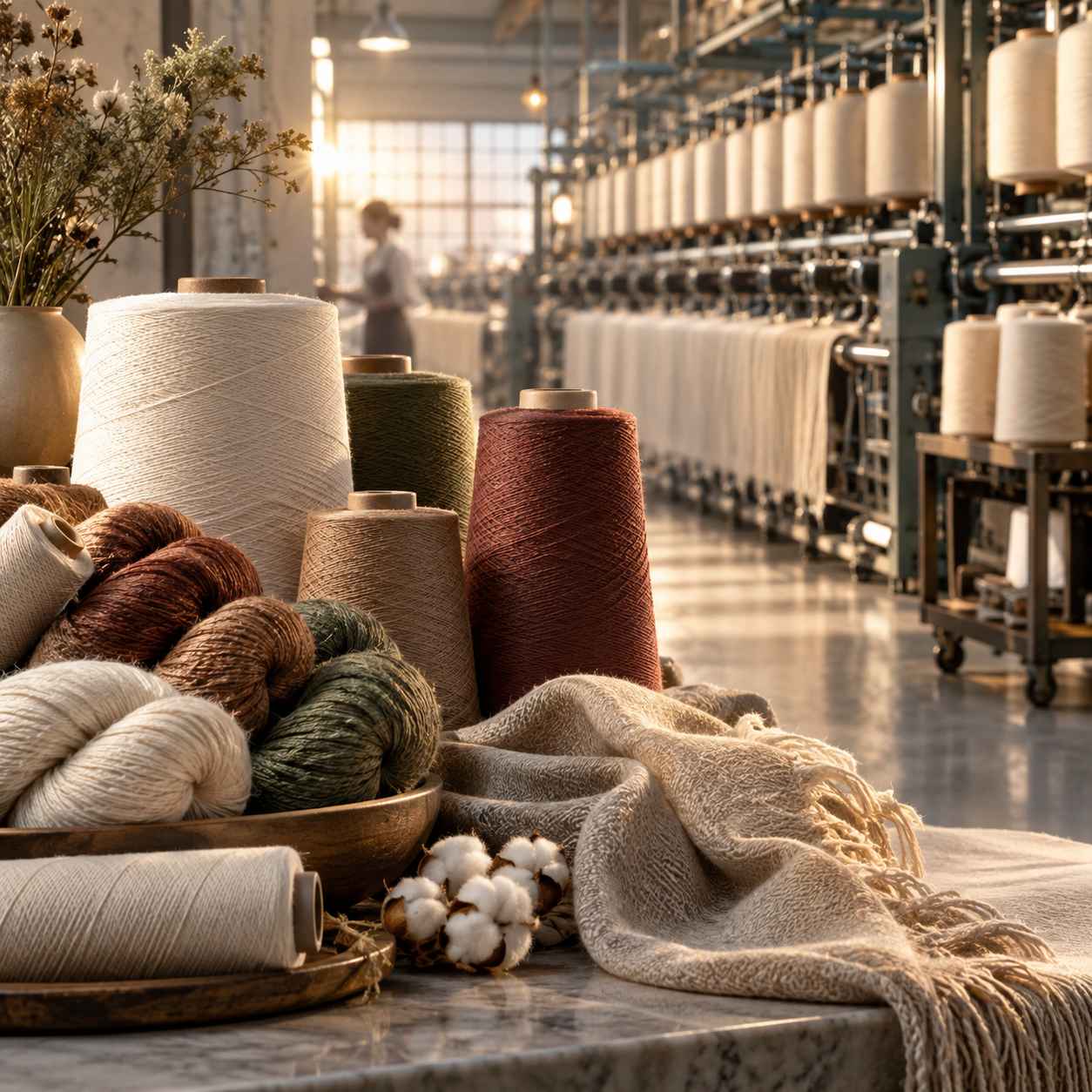
Synthetic fibers have become an important part of modern manufacturing, textiles, and technical applications. Unlike natural fibers, synthetic fibers are engineered from polymers to achieve specific characteristics such as strength, durability, flexibility, chemical resistance, and dimensional stability. These properties make them suitable for applications ranging from textiles and industrial fabrics to agriculture, filtration, sports equipment, and construction.
As industries increasingly look for materials that can deliver consistent performance under demanding conditions, synthetic fibers and monofilament products continue to attract attention from manufacturers and buyers across different markets.
What Makes Synthetic Fibers Important?
Synthetic fibers are manufactured using polymer-based materials and can be designed according to the performance requirements of a particular application. Common examples include polyester, nylon, polypropylene, and polyethylene.
According to India’s Department of Chemicals and Petrochemicals, synthetic fibers can be engineered to provide characteristics such as strength, durability, elasticity, water resistance, and colorfastness. They are used across textiles, industrial products, geotextiles, medical textiles, ropes, and other applications.
One of the major advantages of synthetic fibers is consistency. Manufacturers can control factors such as fiber thickness, tensile strength, elongation, flexibility, and surface characteristics during production. This makes them valuable when uniformity and predictable performance are important.
Understanding Monofilament Fibers
Monofilament is a type of filament material consisting of a single continuous strand. Its construction gives it characteristics that can be useful in applications where controlled diameter, strength, stiffness, and abrasion resistance are required.
Monofilament products can be manufactured from different polymers depending on the intended application. Nylon, polyester, polypropylene, and polyethylene are among the materials used for various monofilament products.
Applications include filtration meshes, agricultural nets, sports nets, conveyor systems, brushes, fishing equipment, technical fabrics, and other industrial products. The exact material and specifications depend on factors such as operating conditions, required strength, flexibility, chemical exposure, and environmental resistance.
Applications Across Multiple Industries
The versatility of synthetic fibers has helped expand their use beyond conventional clothing and textile manufacturing.
- Industrial Applications
Synthetic fibers and monofilaments are used in filtration systems, conveyor belts, technical fabrics, screens, and other industrial components. Their controlled physical properties can help manufacturers develop products suited to demanding operating environments.
- Agriculture and Horticulture
Agricultural nets, fencing, crop-support systems, and other horticultural products can use synthetic monofilament materials. Depending on the product design, manufacturers may select materials with suitable resistance to moisture, sunlight, and mechanical stress.
- Sports and Recreation
Sports nets and related equipment require materials that can withstand repeated mechanical stress. Synthetic monofilaments are used in products associated with badminton, tennis, fishing, and other sporting applications where strength and dimensional consistency are important.
- Construction and Technical Textiles
Synthetic fibers are also used in technical textile applications associated with construction, filtration, geotextiles, and reinforcement. Material selection is generally based on the required strength, durability, environmental resistance, and intended service conditions.
Why Expertise Matters When Selecting Materials
Selecting a synthetic fiber or monofilament product is not simply a matter of choosing the strongest material available. Different applications require different combinations of properties.
For example, one application may require greater flexibility, while another may require abrasion resistance or dimensional stability. Temperature, moisture, chemical exposure, UV conditions, processing requirements, and the expected service life can all influence material selection.
This is where working with synthetic fiber & monofilament experts can be useful. Technical knowledge of polymers, extrusion processes, product specifications, and application requirements can help buyers identify materials that are appropriate for their intended use.
A knowledgeable supplier can also help customers evaluate factors such as diameter, tensile strength, elongation, color, finish, packaging, and customization requirements.
The Growing Role of Exporters
The global demand for man-made fiber products has created opportunities for manufacturers and exporters operating from major production markets. India, in particular, has an established textile and synthetic-fiber ecosystem.
Industry data published by IBEF notes that India’s man-made fiber industry contributes significantly to textile exports, with polyester, acrylic, and polypropylene among the important synthetic fiber categories.
For international buyers, choosing among leading synthetic fiber exporters involves evaluating more than pricing. Consistent product quality, production capabilities, technical specifications, packaging, documentation, lead times, and the ability to meet international customer requirements are all important considerations.
Exporters serving international markets also need to understand the specific requirements of different applications and destinations. Clear technical documentation and consistent communication can make the sourcing process more efficient.
What Buyers Should Consider Before Sourcing
Businesses purchasing synthetic fibers or monofilament products can evaluate several factors before finalizing a supplier.
Material: Determine whether nylon, polyester, polypropylene, polyethylene, or another polymer is appropriate for the application.
Specifications: Check diameter, tensile strength, elongation, shrinkage, and other technical parameters relevant to the end product.
Application requirements: Consider whether the material will be exposed to sunlight, moisture, chemicals, abrasion, temperature variations, or continuous mechanical stress.
Quality consistency: Consistency between production batches is particularly important for manufacturers using fibers in large-scale production.
Customization: Some applications may require specific colors, dimensions, finishes, packaging formats, or other product characteristics.
Supply capability: For recurring industrial requirements, production capacity and delivery reliability can be as important as the initial product price.
Looking Ahead
The role of synthetic fibers is likely to remain significant as manufacturers continue developing materials for specialized textile and technical applications. Improvements in polymer technology, processing methods, product customization, and recycling are also influencing the direction of the industry.
For businesses sourcing these materials, understanding the relationship between polymer selection, product specifications, manufacturing quality, and end-use requirements can lead to better purchasing decisions.
Synthetic fibers and monofilaments are no longer limited to traditional textile applications. Their combination of versatility, controlled properties, and adaptability has made them useful across agriculture, sports, industrial manufacturing, construction, filtration, and other sectors.
As international demand evolves, manufacturers and exporters that combine technical expertise with consistent quality and dependable supply capabilities will remain important participants in the synthetic fiber value chain.