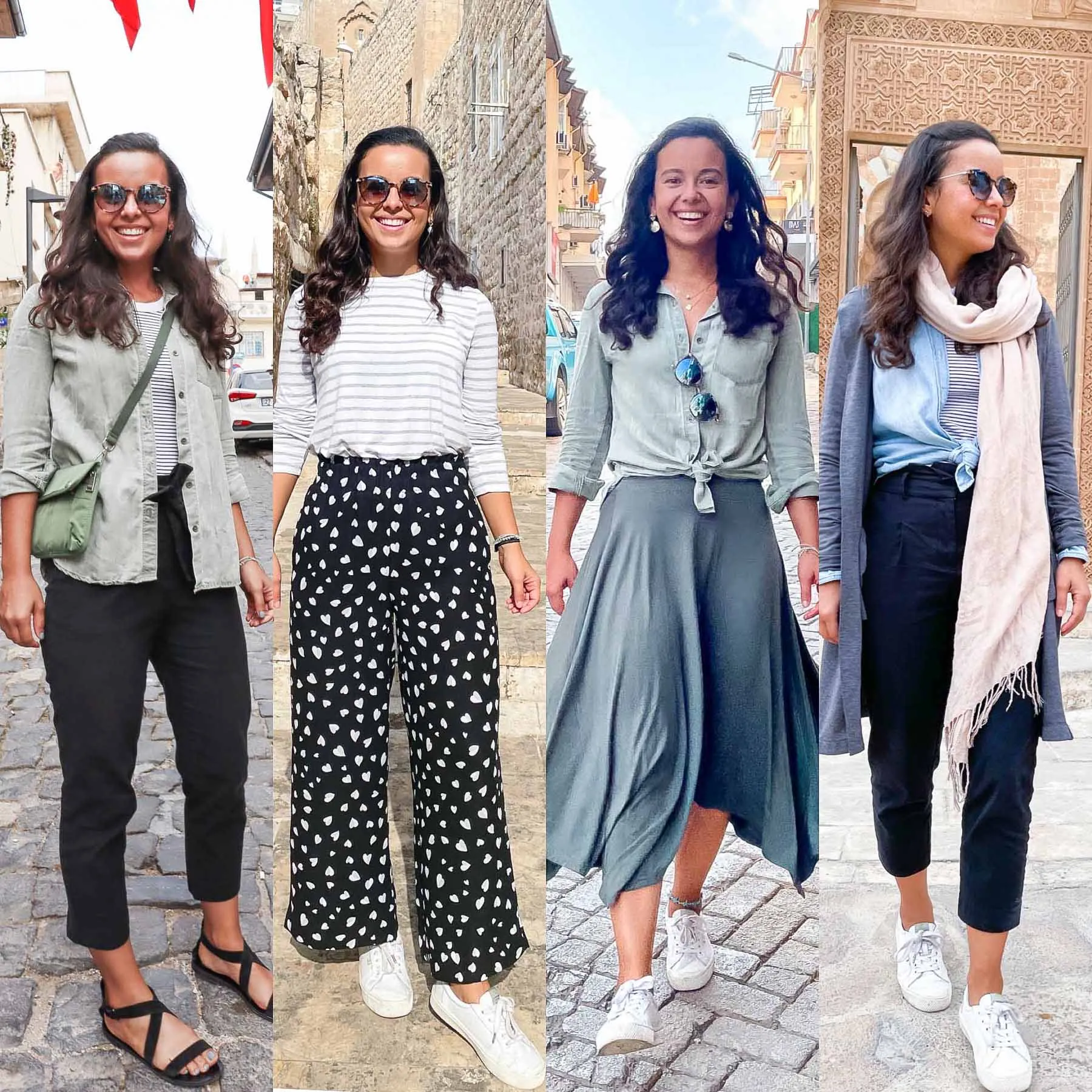
Too many clothing options can make everyday dressing slower rather than more creative. Confusing style choices become easier to manage when you build a few reliable outfit formulas—simple combinations of garment types that can be repeated with different colors, fabrics, and accessories.
What Is an Outfit Formula?
An outfit formula is a repeatable structure rather than one exact outfit. For example, straight-leg trousers + fitted knit + casual jacket + simple shoes is a formula because many individual garments can fill those roles.
It creates a starting point while leaving enough room for variation.
Looking at repeatable outfit ideas may help you recognize formulas inside looks you already like.
Begin With Clothes You Actually Wear
Don’t build formulas around an imagined future wardrobe. Check what you repeatedly choose on ordinary days.
If you naturally wear jeans, comfortable shirts, and light jackets, begin there. A formula should remove friction, not pressure you into dressing like someone else.
Create Formulas Around Real Situations
Different parts of your week may need different combinations. One formula might handle work, another could suit errands, and a third may cover relaxed social plans.
Organizing practical closet options around situations can make the wardrobe easier to understand because each garment starts to have a clearer purpose.
| Situation | Possible Formula | Easy Variation |
|---|---|---|
| Workday | Trousers + knit + jacket | Change jacket color |
| Errands | Jeans + tee + overshirt | Switch footwear |
| Casual dinner | Dark pants + shirt + layer | Add accessory |
| Weekend | Relaxed pants + knit | Change outerwear |
Choose a Few Dependable Color Relationships
Formulas become easier when most pieces can cooperate. That doesn’t require a closet filled with beige, black, or navy, but having several dependable base colors reduces difficult combinations.
A colorful shirt becomes easier to wear when you already know which trousers, shoes, and jacket work with it.
People exploring easy wardrobe formulas can use inspiration as a starting point, then adapt combinations to their own colors and clothing.
Save Successful Outfits
Take quick photos of outfits that worked well. Over time, your phone becomes a personal reference library showing combinations you’ve already tested.
This is especially useful after a rushed morning, because you can copy a previous formula rather than solving the whole outfit again.
Where Outfit Formulas Become Too Restrictive
A formula should simplify choices, not turn clothing into a rigid system. Wearing the exact same silhouette every day may eventually feel repetitive, even if dressing becomes faster.
Keep the structure while changing one variable. Swap sneakers for loafers, replace a jacket with a cardigan, or change a plain shirt for a patterned one. The formula remains recognizable, but the finished outfit doesn’t have to look identical.
Remove Choices That Consistently Create Problems
Some garments repeatedly cause hesitation because they don’t fit properly, require special underwear, wrinkle quickly, or match almost nothing else.
Those pieces don’t necessarily need to be discarded, but they shouldn’t occupy your easiest dressing space. Move occasional garments away from everyday favorites so the clothes you depend on are simpler to see.
A clearer wardrobe often improves decision-making before any new clothes are purchased.
Frequently Asked Questions
How many outfit formulas should I have?
Three to five can cover many ordinary routines. The right number depends on how different your work, social, and weekend clothing needs are.
Are outfit formulas the same as uniforms?
Not exactly. A uniform usually repeats specific pieces, while a formula repeats the structure. Different colors, fabrics, shoes, and accessories can produce many outfits from one formula.
Can outfit formulas help prevent unnecessary shopping?
They can. Once you know your dependable combinations, it’s easier to see whether a potential purchase works with your existing wardrobe or fills no practical gap.
Make Good Outfits Easier to Repeat
Reliable style doesn’t require creating something completely new every morning. Identify the combinations that already suit your life, turn them into flexible formulas, and save successful versions for later. The result is less time spent second-guessing your closet and more confidence in the choices you already own.