Shower drain buildup usually develops gradually as hair combines with soap residue, skin oils, and other debris inside the drain opening. Water begins draining more slowly before a complete blockage forms. Removing material early and keeping hair out of the pipe is easier than dealing with standing shower water after the drain becomes fully clogged.
Catch Hair Before It Enters the Drain
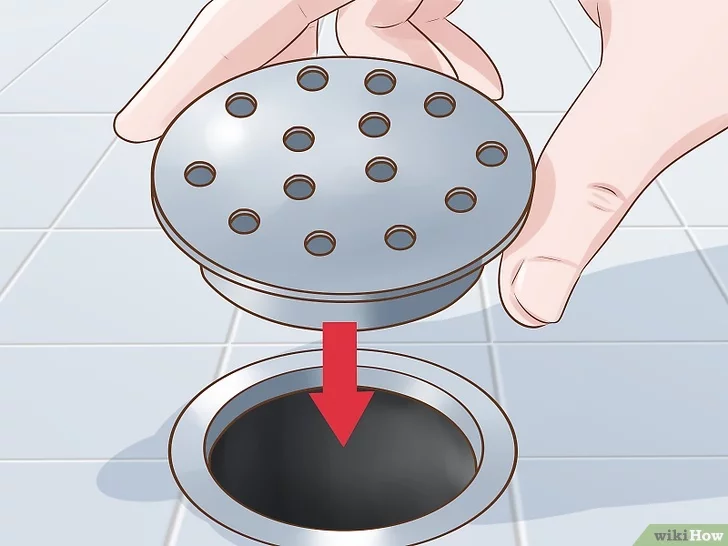
A removable hair catcher or drain screen can intercept much of the material before it moves deeper into the pipe. Choose one that fits securely without making water pool around the drain.
Bathroom layouts shown in household design ideas often emphasize visible finishes, but a simple drain screen can protect the plumbing beneath them. Clean the screen frequently instead of waiting until water begins backing up.
Remove Surface Buildup Regularly
Lift accessible hair from the drain cover and clean soap residue around the opening. A small accumulation at the surface can restrict flow more than it appears.
Wear gloves when handling drain debris. Avoid pushing hair farther into the pipe while trying to clean around the opening.
Respond When Drainage Starts Slowing
Slow drainage is the ideal time to act. Remove the drain cover when it is designed to come off and extract accessible hair using an appropriate drain-cleaning tool.
A consistent home cleaning routine can include checking drains before they become blocked. If the drain contains standing water, focus on physical removal rather than repeatedly pouring different products into the pipe.
| Drain Condition | Likely Issue | Practical Response |
|---|---|---|
| Slightly slow | Early buildup | Remove accessible hair |
| Water pools | Heavier blockage | Clear drain mechanically |
| Recurring clog | Deeper accumulation | Inspect farther downstream |
| Multiple drains slow | Larger drain issue | Consider professional help |
Be Cautious With Chemical Drain Products
Chemical cleaners aren’t a harmless maintenance shortcut. Some products are corrosive, can create hazardous reactions when mixed, and may leave caustic liquid inside a blocked drain.
Homeowners exploring bathroom improvement inspiration should keep plumbing maintenance separate from ordinary surface cleaning. Never mix different drain chemicals, bleach, acids, or other cleaners.
Watch for Problems Beyond the Shower
A single slow shower usually suggests a localized restriction. If several nearby fixtures drain slowly or make unusual gurgling sounds, the issue may extend beyond the shower trap.
That distinction matters because repeatedly clearing hair near the shower opening won’t correct a larger branch or main drainage problem.
Where Drain Maintenance Often Goes Wrong
Waiting until the shower completely stops draining makes an easy maintenance job harder. Hair can compact with soap residue and become more difficult to extract once it settles deeper in the pipe.
Another mistake is treating every clog with chemicals. Mechanical removal often addresses hair directly and lets you see what was causing the restriction. Repeatedly forcing debris deeper with improvised tools can turn a reachable clog into a less accessible one.
Frequently Asked Questions
How often should a shower hair catcher be cleaned?
Clean it whenever collected hair begins covering the openings or slowing drainage. In frequently used showers, that may mean checking it several times each week.
Can soap cause shower drain blockages?
Soap residue can contribute by coating the pipe and helping hair and other material stick together. Hair is often the main structural part of the blockage.
Why does my shower drain keep clogging?
Recurring clogs may result from hair repeatedly entering the drain, incomplete removal of an older blockage, pipe buildup, or a drainage problem farther downstream.
Keep the Pipe Clear Before Water Backs Up
Prevention starts at the drain opening. Catch hair, remove visible buildup, and respond to slower drainage before the pipe becomes fully blocked. Avoid mixing chemical products or forcing material deeper into the system. When clogs return quickly, affect several fixtures, or cannot be reached safely, a plumber can investigate the drainage line more thoroughly.